After School Programs at Condition 1: Focus and Fitness
Parents in Spring, Texas often want the same two things from an after school program, a dependable routine and meaningful growth. At Condition 1 Combat Center, we built our after school approach around those goals. Focus and fitness are not slogans here, they are skills we train into kids with purpose, patience, and a clear system. If you have searched for martial arts classes near me or browsed condition1combat.com for Condition 1 Fitness classes in Spring TX, you are likely weighing a few options. This guide explains how our after school model works, what families can expect on a typical day, and how we tailor training paths for different ages and experience levels.
What “focus and fitness” means on a mat, not a poster
Focus and fitness sound simple, but they take structure to teach. The after school classes at Condition 1 prioritize three habits that transfer directly to the classroom and the living room.
The first is physical literacy. We warm up joints and major muscle groups in a specific order, then move into dynamic patterns that are age-appropriate. Young students work on balance, crawling patterns, rolls, and reaction drills that build spatial awareness. Older kids layer in footwork, stance transitions, and controlled partner work. Consistent exposure to these fundamentals, two to four times a week, raises a child’s physical confidence, the kind that shows up when they sprint for the last base in kickball or carry heavy groceries without a fuss.
The second is attentional control. We do not ask children to “pay attention” as an abstract virtue. Coaches call for a ready stance, eyes on the instructor, and a short checklist for what to notice, such as hands up, chin tucked, elbows in. When a child’s attention drifts, they have a system to pull it back, breathing first, stance next, then step and guard. Over weeks, that internal reset becomes a habit.
The third is self-regulation under stress. Drills raise heart rates and add a little pressure, then ask for clean technique. Partner exercises require turn-taking, clear communication, and respect for contact rules. The message is simple, you can move fast and stay in control. That pays off on test days and during sibling arguments.
A day in the after school program
The after school block at Condition 1 Combat Center follows a rhythm that helps kids switch gears from school mode to training mode. The exact times vary by season and age group, but the structure holds.
Students arrive and check in with the front desk, then store backpacks and shoes in designated cubbies. Coaches greet by name and ask two quick questions, one about the school day, one about how their body feels. It is a subtle screen for injuries, headaches, or social concerns that might affect training. A light snack and water break comes next. We keep snacks simple and parent-provided, and we encourage a habit of water before class, not just after.
The first minutes on the mat are low intensity, joint prep and movement patterns that double as focus drills. Coaches begin with short commands and clear cues, then add complexity as attention rises. Striking or grappling skill blocks follow, often broken into three short segments: technical instruction, partner application, and a game-based finisher that reinforces the main concept. For example, if the day’s focus is footwork and angles, the game might be a no-strike “tag” round that rewards clean entries and exits.
We finish with a decompression phase. Heart rates come down slowly, breathing gets attention, and coaches ask one question about the day’s theme. Students leave the mat calmer than they entered, a crucial detail for late-afternoon family transitions.
Age-appropriate tracks without a one-size-fits-all mindset
Not every nine-year-old needs the same pressure or the same path to thrive. Condition 1 organizes after school programs by age and exposure to training, then adapts on the mat for attention span, coordination, and temperament. Here is how that feels in practice.
Entry-level elementary students need repetition disguised as variety. They see the same mechanics repeatedly, but the surfaces change, pads, partner shields, foam noodles, and light reaction lights. We stress mechanics over speed, and respect over bravado. Corrections come with a why, not just a no.
Middle school students can handle more stress, but they also juggle heavier homework and social complexity. For this group, we introduce longer technical chains and more live decision-making while keeping round times tight. The goal is to practice making good choices under fatigue and mild pressure without tipping into overwhelm. Coaches also teach boundary language alongside physical defense, because real-world situations rarely start on a mat.
Advanced or competition-curious youth get optional blocks that include more live rounds, controlled contact with protective equipment, and performance feedback. We keep that lane clear and voluntary. Families know where the bar is, students learn to raise their own, and everyone else trains hard without feeling pushed into a competitive track.
Safety and contact: how we keep intensity productive
Parents deserve a clear answer on what “contact” means. We use progressive contact levels matched to age and experience. Early levels are touch-contact on pads or partners where accuracy and posture matter most. As students demonstrate control and coachability, we add light contact with approved gear, keeping targets and techniques age-appropriate. Sparring or live grappling occurs only with coach approval, clear rules, and time limits. The goal is to build resilient, coachable athletes, not adrenaline chasers.
Surfaces are cleaned daily. Gear policies are firm. Students with open cuts or illness sit out or participate in non-contact roles. Coaches re-certify CPR and first aid on a regular cycle, and we review safety protocols seasonally. No system removes risk entirely, but discipline lowers it significantly.
What to look for when you visit any after school martial arts program
- Coaches who can explain the day’s objective in one sentence, then show exactly how they measure it
- Clear contact rules that match your child’s age and temperament, written and reinforced on the mat
- A consistent warm-up, not random calisthenics, with an obvious purpose that leads into the skill of the day
- A visible ratio of supervision to students that allows quick, specific feedback
- Kids leaving calmer than they arrived, with water bottles in hand and coaches available for quick parent questions
Where Conditioning fits: Condition 1 Fitness classes in Spring TX
Skill without conditioning is fragile. That is why the facility integrates martial arts instruction with practical fitness training. Parents researching Condition 1 Fitness classes in Spring TX often picture adult strength circuits or cardio kickboxing, and those do exist, but conditioning also shows up inside youth classes. Think plank ladders to reinforce posture for clinch control, sprint-relay footwork to ingrain angle changes, and light medicine-ball throws to teach hip drive safely.
For parents who want their own training window, the schedule typically includes adult martial arts classes and dedicated fitness sessions that overlap with youth blocks. That makes logistics easier. Families can arrive once, kids take after school martial arts classes, and adults hit a class in the adjacent space. Search terms like local martial arts classes or adult martial arts classes mean less when they require separate calendars. One building, one stop, less stress.
Homework, snacks, and the real logistics of after school hours
Every family’s afternoon has friction points. Some children arrive hungry. Others need to decompress with a book before moving again. A few show up bursting with energy and need to move right away to reset their day. Condition 1’s routine leaves a buffer for these realities. There is time for a parent-provided snack and a short, purposeful transition. When families ask about homework, we are candid, a martial arts academy is built for movement and coaching, not quiet study hall. That said, we keep a clean, supervised lobby space where a child can open a worksheet while a sibling trains, and coaches can remind students to pack homework home before leaving.
Transportation is another common question. Some youth programs in Spring offer van pickup from select schools. If reliable transportation is central to your decision, ask the front desk for current options and nearby partners. Many Condition 1 families carpool. Staff can help introduce parents who run similar routes.
How often should a child train per week?
For most students in the 6 to 12 range, two classes per week is the sweet spot for martial arts school spring tx skill retention without crowding homework or family time. Highly active kids, or those preparing for belt tests or intra-gym events, often add a third day for four to eight weeks at a time. The key is continuity. A steady two days per week over six months usually beats a burst of four days in a single month, then long gaps.
If your child is brand new, try six weeks at two sessions per week before judging progress. Beginners martial arts classes are designed to build momentum slowly. Expect cleaner stances, better listening on the mat, and smaller course corrections at home. You will likely notice stronger posture when sitting, quicker resets after setbacks, and better hydration habits.
Belt ranks and testing without the hype
Ranks and belts can motivate kids, but they can also distract. At Condition 1 Combat Center, promotions are earned, not bought. Coaches track attendance, core skill checklists, and the way a student handles feedback. Testing dates are posted in advance, requirements are transparent, and make-ups are available. We keep ceremonies brief and meaningful. Students demonstrate key skills, accept feedback, and celebrate peers. The message is consistent, belts mark habits, not the other way around.
Social growth: manners matter when the gloves are on
A well-run kids martial arts class teaches more than kicks and takedowns. We coach greetings, handshakes, partner courtesy, and clear language for setting boundaries. In anti-bullying segments, we practice voice first, posture next, and physical defense only when needed and legal. Role-play covers eye contact, tone, and distance, not just techniques.
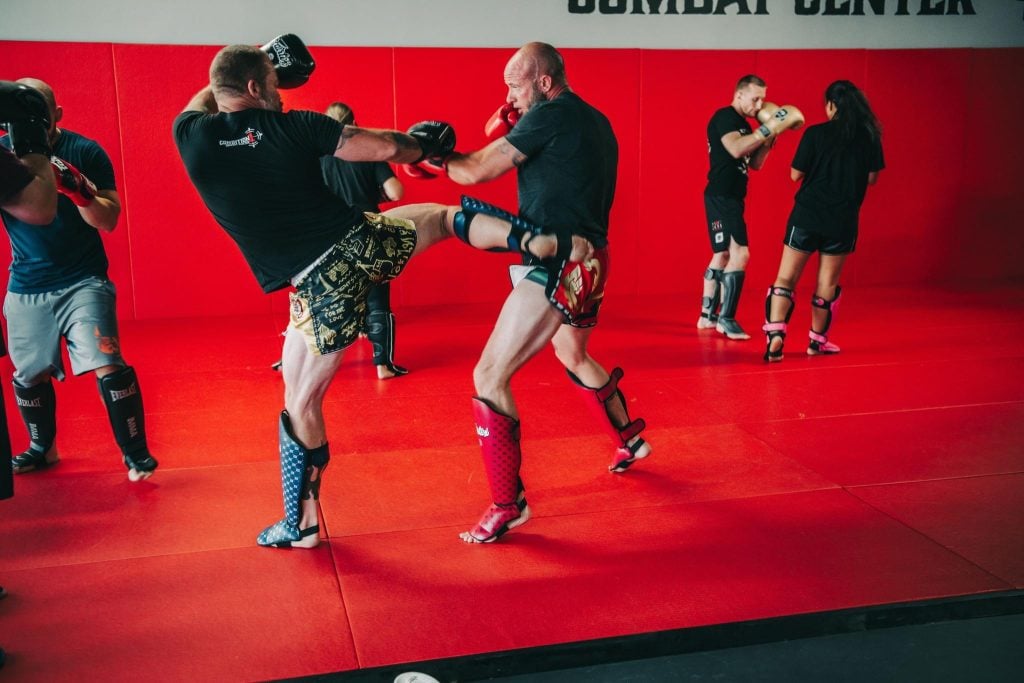
Parents often report changes at home that do not look like “martial arts” at all, a child starts saying “yes, coach” or “yes, sir” without sarcasm, or they pause before reacting when a sibling grabs a toy. That is the invisible curriculum working, the pieces that matter off the mat.
Affordability and value without hidden hoops
Searches for affordable martial arts classes bring a wide range of offers. Here are the norms you can expect at a reputable academy. Transparent monthly tuition with a clear attendance plan. No surprise test fees. Family discounts that make it realistic to enroll siblings. Reasonable gear requirements that can be spread over the first season of training. If you have a tight budget window, say so up front. Staff would rather brainstorm a schedule and path that fits than see a student quit mid-season.
Condition 1 keeps pricing straightforward. Exact numbers change with season and offerings, so the most accurate source is condition1combat.com or a quick call to the front desk. Ask about trial weeks or first-class passes. They are designed to reduce your risk and help your child meet the coaching staff before making a bigger commitment.
Private lessons and when they make sense
Private martial arts classes are not just for competitors. They can jump-start confidence for a shy beginner, help an advanced student polish a gap before testing, or offer a flexible option during heavy school weeks. The best use cases are short sprints with clear goals, three to six sessions focused on one or two technical blocks. Coaches can also pair two friends for semi-privates if that keeps motivation high.
Weekend training, family sessions, and keeping momentum
Weekend martial arts classes give families margin. If a school project swallows a weekday, Saturday or Sunday sessions keep the streak alive. Condition 1 typically runs a mix of youth, family, and adult blocks on weekends. Family martial arts classes are a favorite for many. Parents and kids move together, adults get a workout, and children see their parents practicing the same self-discipline they are asked to show. Those shared hours change how kids view training. It is no longer a drop-off activity, it is a family culture.
How we coach different temperaments
No two kids arrive with the same engine. Some are kinetic and fearless, others careful and observant. An approach that cheers one child can flood another. Experienced coaches watch for tells, toe bouncing, eyes scanning the exits, or a child gripping gloves too hard. We match communication style to temperament. For high-energy kids, we channel rather than suppress, giving them leadership micro-roles like gear captain or drill demonstrator once they show control. For careful kids, we build confidence quietly, one clean rep, then a partner they trust, then a slightly tougher scenario.
Parents help by sharing what works at home. A brief note before class, “She does better with clear steps and a demonstration,” speeds up rapport. We read those notes. They matter.

Measurable outcomes parents can watch for at home
You do not need a coaching eye to see progress. Look for small, practical markers. Morning routines get faster because kids learn to sequence, backpack, breakfast, shoes, door. Arguments shorten because they practice reset breathing on the mat. Sleep quality improves during training weeks, 10 to 20 minutes faster sleep onset is common within a month, simply from consistent activity and a predictable evening routine. Water intake rises, because coaches cue it and kids copy their peers.
School feedback often lags by a grading period. Ask teachers to watch for posture during desk work and transitions between tasks. Those are the first places focus gains show.
Integrating with other sports and activities
Martial arts layers well with soccer, baseball, and dance. Footwork and core strength cross over cleanly. If your child is in season elsewhere, let us know. Coaches can adjust volume and emphasize drilling over intensity weeks before tournaments or recitals. For example, a baseball pitcher in season might limit push-up volumes and prioritize hip hinge mobility while keeping technical reps high.
How to get started without overwhelming your child
Kids read your energy. If you treat the first visit like a high-stakes tryout, they will too. Keep day one simple. Arrive ten minutes early, tour, meet a coach, and watch five minutes of class before stepping on the mat. Tell your child exactly what will happen, one coach will show you where to stand, you will practice a few moves, you can take a water break any time. Promise a snack after class and a simple question, what did you like most? Then let the experience breathe.
If your child prefers a slower approach, a parent-child trial during a family class can lower the barrier. For kids who leap first and think later, the structure of a beginners block reins in enthusiasm and sets a baseline safely.
How Condition 1 connects the dots across programs
Families often want a single home for a wide range of training needs. Condition 1 Combat Center offers multiple paths under one roof, which is why searches for Condition 1 Fitness classes in Spring TX often land on the same schedule page as youth martial arts. For clarity, here are the main lanes and how families typically use them.
- After school youth martial arts blocks that run on weekday afternoons, designed for consistent habit building
- Kids and teens evening classes for students who cannot make the early times, or who want an extra session
- Adult martial arts classes and fitness sessions that overlap youth schedules so parents can train while kids do
- Private training options for short, goal-specific sprints during busy school windows
- Weekend classes, including family mat time, to maintain momentum without weekday pressure
If you are comparing academies in Spring, TX
Proximity matters on school days. A 10-minute drive beats a 25-minute commute when traffic stacks up on FM 2920 or I-45. But proximity is not everything. Visit the room. Watch a class for at least 10 minutes. You are looking for engaged kids, clean technique, and coaches who correct with clarity, not volume. Ideally, you will see a range of ages and ranks working side by side without chaos. When you speak to staff, notice whether they ask about your child before discussing prices. That usually signals a student-first culture.

If you are browsing online, condition1combat.com is the most current source for schedules, trial offers, and updates. Search queries like Condition 1 Fitness classes in Spring TX Condition 1 Combat Center will pull the right page, but a phone call can answer nuanced questions faster, waitlists, gear sizing, or which class coach is best for a nervous first-timer.
A note on community and culture
The most enduring benefit of training is often the community. Kids meet peers outside their school bubbles. They learn to respect younger students and ask for help from older ones. Parents get a room full of adults who value the same things, punctuality, effort, and courtesy. Over months, that shared language seeps into car rides and dinner tables. It is easier to say “Let’s reset and try that combo again” when everyone knows what a reset looks like.
That culture shows up in small ways. Students line up gear after use. They thank partners by name. Coaches model humility after making a mistake and fix it out loud. Progress grows faster in rooms like that, and it sticks.
Final steps
If you are ready to explore after school martial arts classes at Condition 1 Combat Center, bring your child for a trial class, meet the coaches, and decide with firsthand information. If you need early evening or weekend options, ask the front desk how youth, adult, and family sessions fit together. Many families start with a beginner block, then add pieces as confidence rises.
Whether your path includes kids martial arts classes only, a parent jumping into adult martial arts classes, or a blend of private and weekend martial arts classes to cover busy seasons, the goal is the same. Build focus and fitness that last beyond the mat. When that happens, grades lift a little, tempers cool a little faster, and family life runs a little smoother. That is a win worth scheduling around.